-
Atrial fibrillation, commonly known as Afib, is a condition where a patient experiences heart rhythm abnormalities characterized by rapid, irregular beating or arrhythmia. Atrial fibrillation is the most common form of arrhythmia, affecting 2% to 3% of the entire population of Europe and North America. This is millions of...
-
A-fib, aka Atrial Fibrillation, is a medical condition characterized by irregular and fast heart rate. Without early diagnosis and treatment, it can lead to blood clots in the heart, which can lead to a devastating stroke. Thus, cardiologists often advise A-fib patients to take particular blood-thinning medications on a regular...
-
The human body can experience distress in the blink of an eye due to many different types of ailments in a variety of ways. High blood pressure, or hypertension, most commonly occurs due to age, lack of activity, poor diet, or genetics. A heightened pressure that exceeds the prehypertension...
-
Atrial fibrillation (afib) is a heart-related illness that causes irregular and rapid beating of the heart. If a person regularly suffers from afib, he or she will have a higher risk of stroke, heart failure, and dementia. What’s scary about this condition is that when it occurs, it usually...


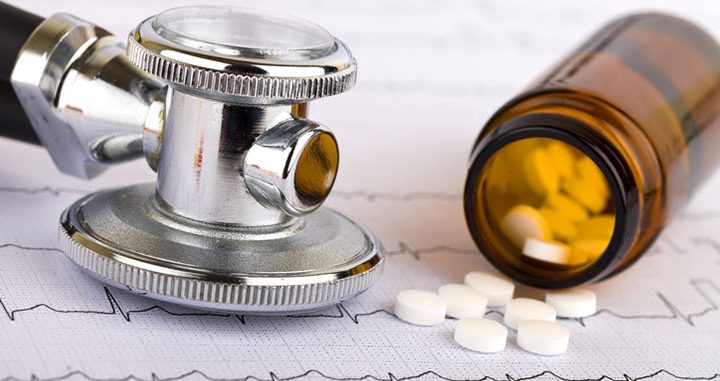






 Atrial fibrillation, commonly known as Afib, is a condition where a patient experiences heart rhythm abnormalities characterized by rapid, irregular beating or arrhythmia. Atrial fibrillation is the most common form of arrhythmia, affecting 2% to 3% of the entire population of Europe and North America. This is millions of...
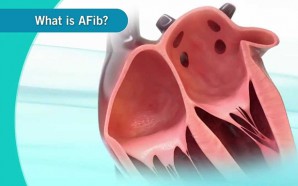 A-fib, aka Atrial Fibrillation, is a medical condition characterized by irregular and fast heart rate. Without early diagnosis and treatment, it can lead to blood clots in the heart, which can lead to a devastating stroke. Thus, cardiologists often advise A-fib patients to take particular blood-thinning medications on a regular...
 The human body can experience distress in the blink of an eye due to many different types of ailments in a variety of ways. High blood pressure, or hypertension, most commonly occurs due to age, lack of activity, poor diet, or genetics. A heightened pressure that exceeds the prehypertension...
 Atrial fibrillation (afib) is a heart-related illness that causes irregular and rapid beating of the heart. If a person regularly suffers from afib, he or she will have a higher risk of stroke, heart failure, and dementia. What’s scary about this condition is that when it occurs, it usually...